About Alexander

Discover the personal history, obsessions, and research that shape Alexander Lundie’s dark historical worlds.
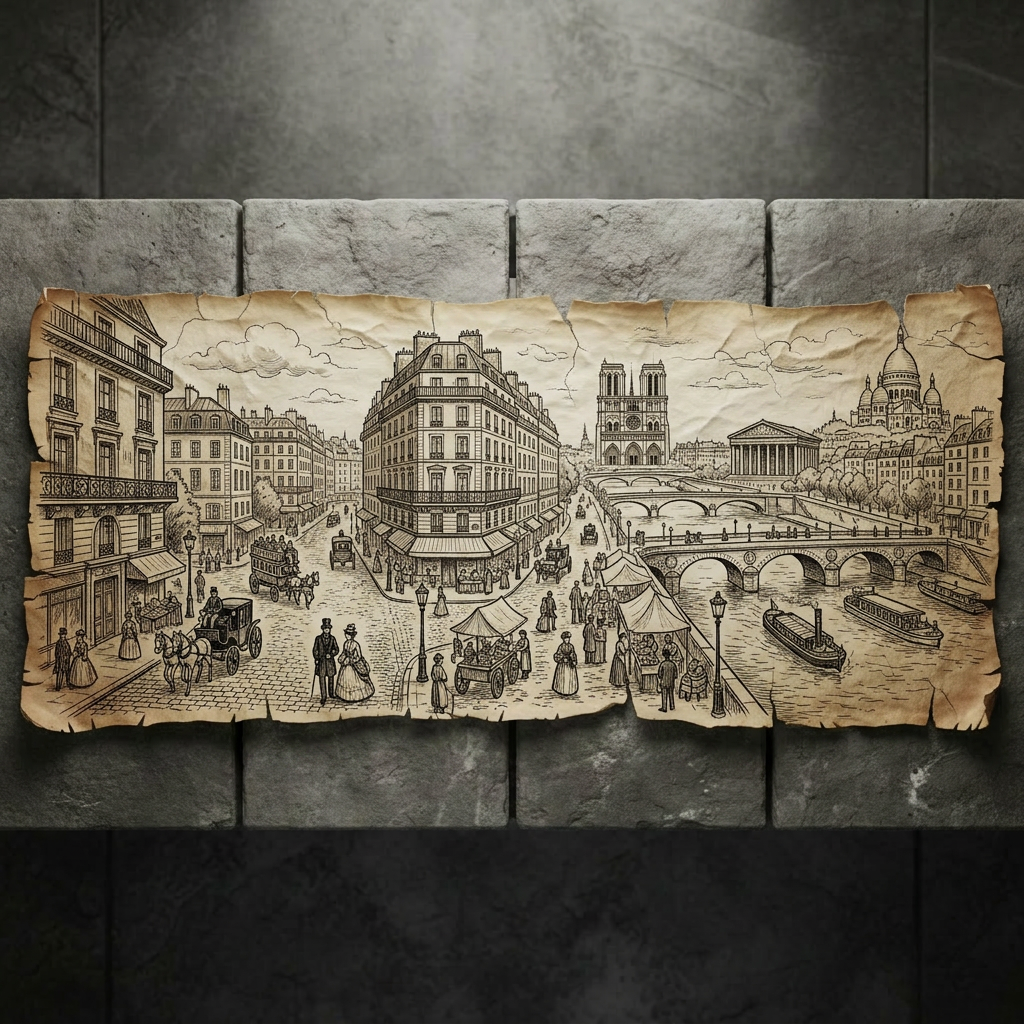

A meticulously detailed map stretching from 1715 to 2015 depicted as a horizontal, aged parchment timeline unfurled across a stone table. On the left, intricately inked coastlines, crests, and a small sketched manor house represent the early 18th century; toward the center, industrial smokestacks and rail lines emerge; on the far right, a faint, minimalist outline of a modern city skyline with subtle lights indicates 2015. Tiny, dark-red ink droplets trace a subtle, meandering path along the timeline. Cold, diffused overcast light falls from above, emphasizing texture in the parchment and stone. Photographic realism, captured in a wide, overhead shot with sharp detail throughout, creating a solemn, sophisticated mood that suggests centuries of love, conflict, and consequence.
An elegant still life of three stacked books spanning centuries: a cracked vellum-bound volume stamped 1715 at the bottom, a dark, blood-red leather book labeled 1815 in the middle, and a sleek matte-black hardback embossed 2015 on top. They rest on a polished mahogany table against a deep charcoal wall. A narrow shaft of cool afternoon light enters from the left, creating long, refined shadows and a subtle sheen on each distinct texture. A delicate trail of dried crimson wax drips down the spine of the middle book, hinting at violence without being explicit. Photographic realism, composed with the stack on the right third of the frame, leaving negative space and a softly blurred background that suggests a timeless, sophisticated atmosphere.

Alexander Lundie, Historical Storyteller

Alexander Lundie weaves meticulously researched history with the raw pulse of human emotion. From Jacobite Scotland to modern city streets, his fiction explores love, violence, loyalty, and legacy, guided by archival detail and a lifelong fascination with untold stories.

Manifesto

Alexander writes historical fiction that refuses nostalgia, confronting the brutality and tenderness of the past with equal clarity. His work champions meticulous accuracy, complex moral choices, and characters whose desires echo across centuries into our present.
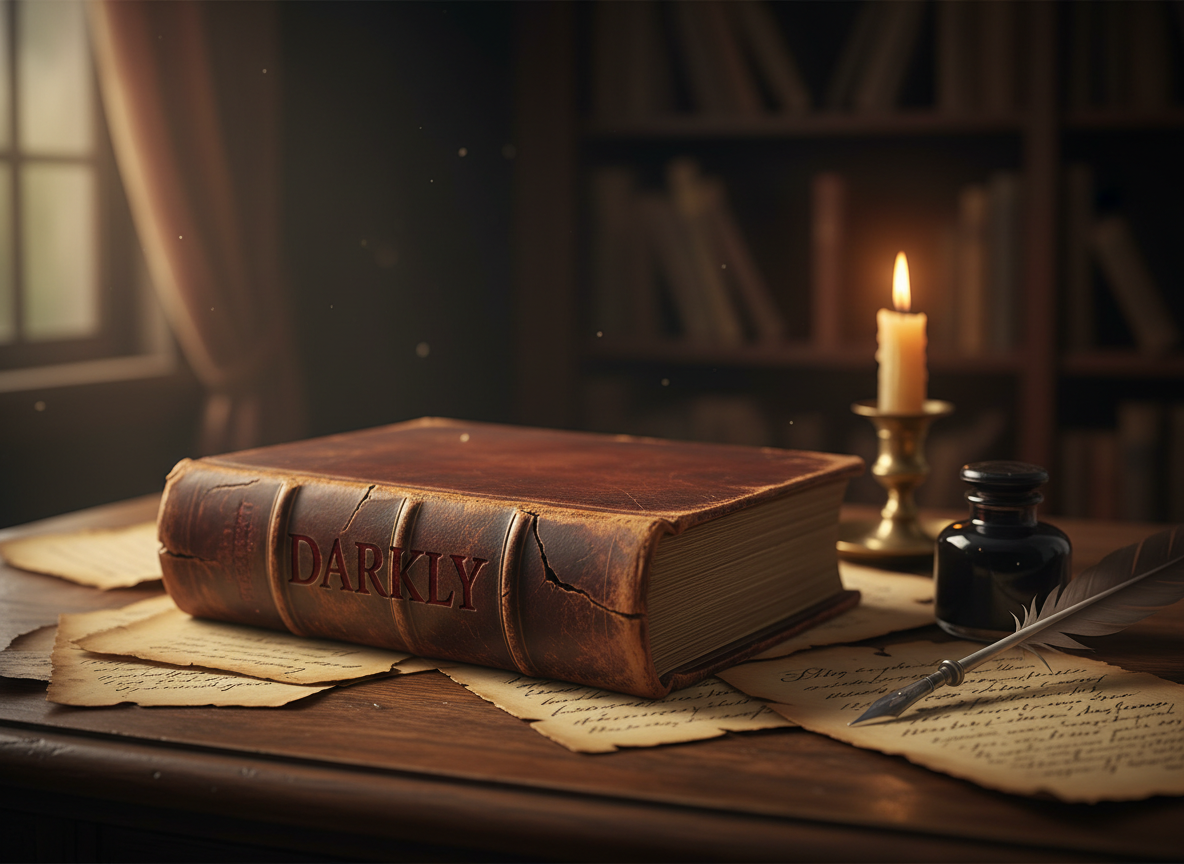
A thick, weathered leather-bound novel titled “Darkly” lying closed on an antique oak writing desk, its spine cracked and edges burnished from centuries of imagined handling. The desk is scattered with yellowed parchment pages, an ink bottle, and a steel-nibbed quill, all resting near a single flickering beeswax candle. Soft, directional golden-hour light falls through an unseen window, catching motes of dust in the air and illuminating the book’s embossed title in deep crimson. The background recedes into velvety darkness with a subtle bokeh of indistinct shelves, creating a mood of sophisticated mystery. Photographic realism, shot at eye level with a shallow depth of field that keeps the novel in sharp focus while everything else falls into a painterly blur.